
 by
by 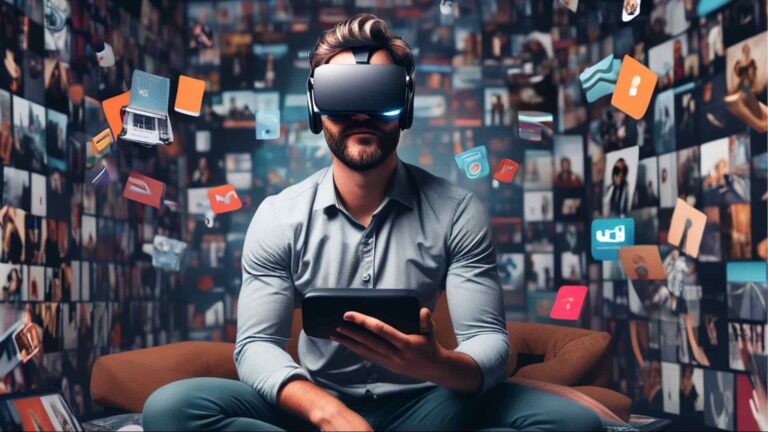

VR has leapt from labs to living rooms to visitor centers, with those in the tourism industry now using headsets and WebXR to preview destinations, tell stories, and widen access to hard-to-reach places. VR is crafting a gateway to the world’s most remote and cherished locations. This guide gives developers a focused view of the landscape, the tangible benefits, and the core design principles needed to create truly immersive virtual travel experiences.
What Is VR Tourism?
VR tourism provides interactive, simulated environments that enable people to explore destinations digitally. You are moving through a space, changing the time of day, opening doors, and triggering context, not just watching a 360-degree clip.
Such virtual experiences can strengthen destination branding and increase the intent to visit, which is why destination management organizations and museums continue to invest in them. Use cases span pre-travel previews, accessible visits for people who cannot travel, and deep educational tours in heritage sites captured with photogrammetry and LiDAR.
New Study Projects VR Revenues to Reach $19 Billion by 2029
The Expanding Appeal of Virtual Travel
VR resonates because it delivers inspiration with lower environmental impact and stronger pre-booking confidence. Visitors explore safely from home, marketers spark emotion before ticket purchases, and remote destinations reach audiences they could not easily host in person. Here are a few ways that’s playing out.
A Sustainable Alternative
Long-haul flights account for a sizable share of tourism emissions — aviation alone contributed 2.5% of global energy-related CO2 emissions in 2023. VR enables organizations to inspire and educate their audiences without the need for travel. In addition, younger buyers tend to support companies that care about the planet. Research indicates that more than 70% of younger consumers seek out brands that demonstrate eco-friendly practices.
Impressive Accessibility
VR opens cultural sites to people facing physical, financial, or time constraints. This virtual accessibility enables visits to difficult-to-access landmarks, such as ancient ruins and steep terrains, promoting inclusivity for those with mobility challenges.
Enhanced Engagement and Marketing
High-quality VR previews boost telepresence, shape destination image, and increase visit intention. A brochure can describe a sunset in Greece, but VR actually places you there. This is why VR is becoming more popular in destination marketing, travel education, and museum outreach. Data shows that brands offering augmented reality experiences are more likely to capture customers’ attention than those that do not.
What VR Activities Do Consumers Want Most?
Practical Principles for Immersive VR Design
Design around believable visuals and responsive objects, then anchor presence with spatial audio and solid performance at high frame rates. Build comfort first, layer discovery second, and keep assets optimized for the target device. Here are some tactics to keep in mind.
Photorealistic Authenticity
There is a high standard for visual quality in tourism experiences in VR, so developers must utilize high-fidelity 3D modeling and photogrammetry to capture a location’s nuances and charm. High-resolution textures are a must when users can examine a wall or statue up close. Lighting and atmospheric effects also play a significant role, as these elements can ground the user in the time of the experience and enhance emotional immersion.
Intuitive User Interaction
Comfort is key. Provide teleportation by default, with optional smooth locomotion and vignette comfort to reduce motion sickness. First-time visitors can learn by doing, like gazing or using controller-based hot spots that open doors, activate context cards that appear near points of interest, and trigger character interactions. Make comfort presets prominent in controls, as constant joystick movement is often tied to higher cybersickness levels.
Spatial Audio
Believability increases when sound matches the space. Spatialize ambient beds, such as water under a bridge or distant crowds, and use directional cues for wayfinding and discovery. Spatial audio improvements are linked with higher immersion and strong affective responses in VR scenarios. The tech should capture impulse responses when possible or approximate materials for reverb and occlusion.
Performance Optimization
Target 90 Hz or higher on head-mounted displays. Researchers compared 60, 90, 120, and 180 fps effects and found lower cybersickness symptoms at around 120 fps, with comfort trending upward as the frame rate increases. Even when you cannot reach 120, stable 90-plus with low latency prevents user drop-off.
How Many XR Devices Did Meta Sell in Q3?
Considerations for VR Tourism Developers
Establish scope based on desired outcomes, then budget for interactivity, capture, and frequent updates. Work with platforms that match your audience and rollout plan, and set measurable success metrics. Here are a few key considerations.
Scoping and Budgeting a VR Project
The investment swings with capture scope, interactivity, and custom features. Research indicates that basic builds typically cost a minimum of $1,000, while fully bespoke, immersive sites can go from $50,000. Before diving into the project, set stakeholder expectations early, tie the scope to measurable goals, and plan live-ops for updates as seasons or exhibits change.
Choosing the Right Platform
Your platform choice dictates reach and technical limits. For example, a mobile VR offers high accessibility but limited graphical fidelity, while a stand-alone headset like Meta Quest offers a strong middle ground with a massive user base and good performance. PC VR provides maximum visual fidelity but restricts the audience to those with high-end hardware.
The Future of Digital Exploration in Tourism
Artificial intelligence will personalize routes, choose narration styles, and adapt to each user. Social VR will make group “trips” feel present across various destinations, while haptics will add texture to stone paths, wind, and other interactive elements. In short, the horizon for VR tourism is bright and fast evolving. Thoughtful design remains the key to unlocking its full potential. By focusing on the user experience, developers can change how people see the world by making it smaller, accessible, and more wondrous.
 Eleanor Hecks is Editor-in-Chief of Designerly Magazine where she specializes in design, development, and UX topics. Follow Designerly on X @Designerlymag.