
 by
by 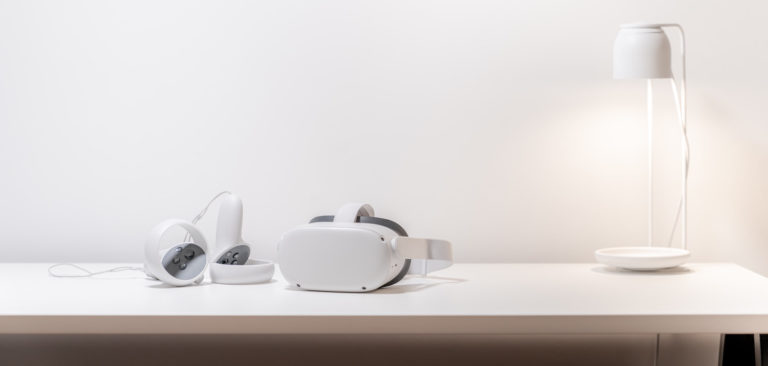

While maternal care has traditionally meant a steady rhythm of in-person appointments, that model is beginning to shift as technology advances. VR and AR platforms, paired with AI-powered diagnostics, are giving expectant mothers a way to receive the support they need without always having to sit in a waiting room. These developments are especially valuable for patients in rural areas or with mobility limitations, enabling more accessible intelligent monitoring for the underserved.
Bringing the Exam Room Home With Prenatal Checkups
In maternal health, AR and VR headsets are expanding the possibilities for remote prenatal support beyond a standard video call. Immersive platforms can help providers explain pregnancy-related changes, demonstrate care steps, and make virtual consultations more visual, interactive, and easier for expectant parents to understand.
Childbirth education has also found a natural home in VR maternal care. Simulated labor scenarios let first-time parents rehearse breathing techniques and understand pain management options, improving preparedness and comfort with what’s to come.
How AI Integration Is Improving Diagnostics
AI further deepens these platforms’ helpfulness. Connected wearables, such as smart wristbands or patches, can continuously track vital signs like heart rate and blood pressure, feeding that critical data into AI systems that flag irregularities before they become emergencies.
AI is also proving useful in ultrasound interpretation. Machine learning models trained on large imaging datasets can help flag potential anomalies, measure fetal growth, and support sonographers in remote or under-resourced clinics. This extends specialist-level analysis to locations where a maternal fetal medicine expert might not be physically available.
This matters because the technology and funding gap in maternal health hasn’t closed on its own. Global research dollars devoted to pregnancy-related studies have historically captured roughly 31.4% of the FemTech-related research funding pool over the past decade.
This concentration represents how related innovation areas have been left comparatively underdeveloped, and why AI maternal care tools that stretch existing clinical resources further are so valuable.
Training the Providers Behind the Technology
Just as important as the technology itself are clinicians who are comfortable using it. One study examined the application of VR and AI in nursing and midwifery education. It found that simulation-based training that combines instructional video, gamified learning modules and immersive VR scenarios produced measurable improvements in students’ practical skills, compared to traditional lecture-based teaching alone. This includes injection techniques and clinical decision-making.
As remote maternal care tools become more sophisticated, this kind of hands-on digital training will be essential. It will enable providers to confidently interpret AI-generated alerts and guide patients through AR maternal care consultations.
Postpartum Support, Reimagined
The fourth trimester often gets less attention than pregnancy itself, yet it’s a period where complications like postpartum depression and health issues can emerge. AR and VR platforms are beginning to address this by offering virtual lactation consultations and mental health check-ins, all supported by AI systems that monitor wearable data for warning signs.
The industry continues to examine how these tools might be integrated into standard postpartum care pathways, particularly for patients discharged early or living far from specialized follow-up services. This is part of a broader trend where VR is being increasingly leveraged for accessible mental health support, known for treating conditions like addiction and sleep disorders.
Building a More Connected Path Forward
None of this replaces the value of in-person care when it’s truly needed. However, for the many routine touchpoints throughout pregnancy and recovery, AI-backed virtual and augmented reality platforms offer a practical bridge between convenience and clinical quality. As wearable sensors become more accurate and AI models improve at interpreting complex medical imagery, remote maternal care is likely to become less of a stopgap. It will evolve into a more standard option, one that meets patients where they are, literally and figuratively.

April Miller
AR Insider Guest Author