
 by
by 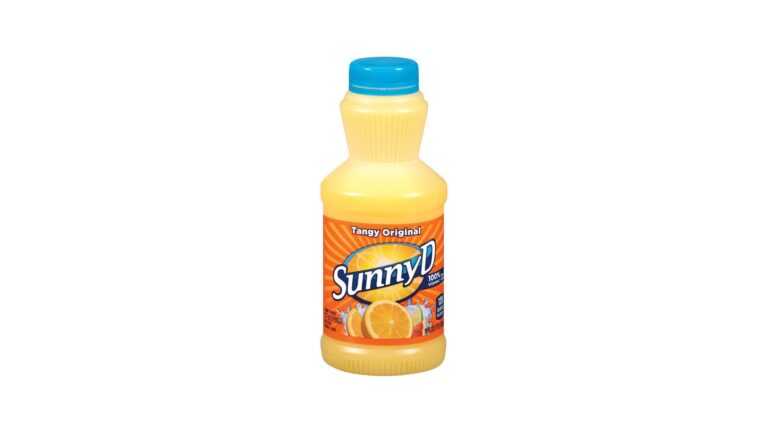
Immersive marketing continues to be an opportune, yet still challenged, segment. Sitting at the intersection of brand marketing and spatial computing, it includes things like sponsored AR lenses that let consumers interact and engage with brands, or virtually try on products.
Driving immersive marketing are a few key elements. Lens creation software arms brands and developers with low-code tools to author AR experiences. Meanwhile, networks like Snapchat and TikTok likewise offer the ability to amplify lenses throughout their social graphs.
There’s also a real business case, which can be seen in the performance metrics around AR campaigns. And though the future of AR is headworn, we’re mostly talking about AR marketing on smartphones. That’s where the scale lies… and brand marketers are all about scale.
This is the topic of a recent report from our research arm, ARtillery Intelligence, including ecosystem analysis and case studies from real AR marketing campaigns. The report joins our excerpt series, continuing in this edition with a look at Electronic Arts’ AR campaign.
Household Name
Though SunnyD is a well-known beverage brand, it’s keen to sustain its household-name positioning. This often requires marketing to younger generations as they evolve as consumers. To that end, Sunny D turned to AR to engage its teenage target audience and stay relevant.
Specifically, it created a gamified Snapchat Lens. The goal of the game is to shoot oranges that fall from the sky in front of the user’s face, as seen through the front-facing (selfie) camera. They could aim the Nerf-like gun by tilting their heads and fire pellets by opening their mouths.
Graphical overlays meanwhile displayed a clock and the user’s score. As users shoot the falling oranges and the clock winds down, they rack up points. They could then share scores and video to boast their accomplishment or inspire friendly competition (see the lens in action here).
To amplify the lens and maximize engagement around the broader visibility effort, SunnyD’s campaign included a mix of the AR Lens and Snapchat Story Ads. The latter drove impressions for the brand, and traffic to the Lens. The latter is often needed to give lenses a nudge.
Shareability, Virality & Repeatability
So what were the results? Speaking to the Lens component of the campaign, it achieved a 19.68-second average playtime, which is 2x greater than benchmarks (dwell time is an increasingly relied-upon standard metric in AR). It also achieved an efficient $1.69 Lens CPM.
As for lessons and strategic takeaways, this lens campaign is yet another lesson in interactive gamification. The gamified elements make it not only fun and engaging, but also inspire friendly competition, which in turn breeds shareability, virality, and repeatability.
Like other case studies in this report, this lens also utilized gestural activation – in this case, a head tilt (to aim the shooter) and an open mouth (to fire pellets). This makes the experience more participatory and doubles down on the interactivity that drives AR’s appeal.
Lastly, this lens was coupled with Story Ads for a more comprehensive marketing strategy. Together, these components spanned the marketing funnel. Story Ads achieved broad reach and awareness, while driving traffic to the Lens, which then boosted lower-funnel interaction.
We’ll pause there and circle back in the next installment of this series with another campaign case study. Meanwhile, check out the full report.