
 by
by 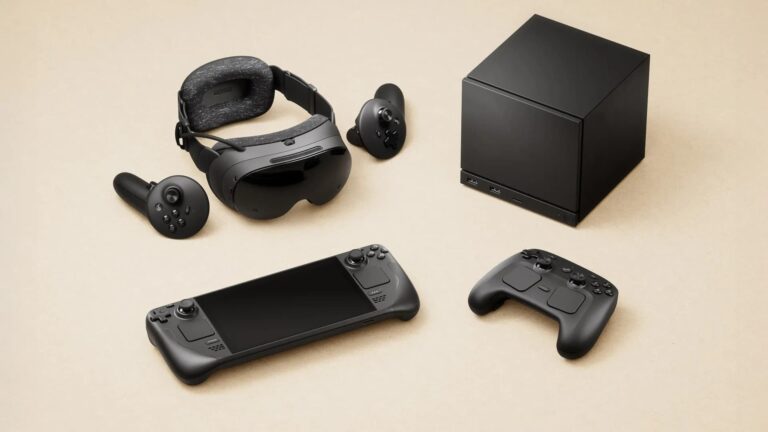

The past year has seen a number of XR hardware releases and product refreshes. Most of these relate to AR glasses, a space where Meta faces strong competition, particularly from Xreal and RayNeo, which have been the most successful at carving out market share.
However, when it comes to immersive headsets, Meta has not only preserved its dominance but also strengthened it. Despite attempts by various big players, none of the XR headsets have captured more than a small fraction of the market.
As of December 2025, Pico holds around 5% of the market share, which is the closest anyone has come to challenging Meta in the standalone race. Apple holds around 2-3% supported by a loyal user base and an active, maturing ecosystem featuring its own content that isn’t just a direct copy of Horizon OS. Apart from these two players, everything else in the VR space is tied to PC systems or owned by Meta.
That is how the VR/XR space looks right now, but come early 2026, we will see a major shakeup. And the reason is Valve’s Steam Frame.
Valve Time
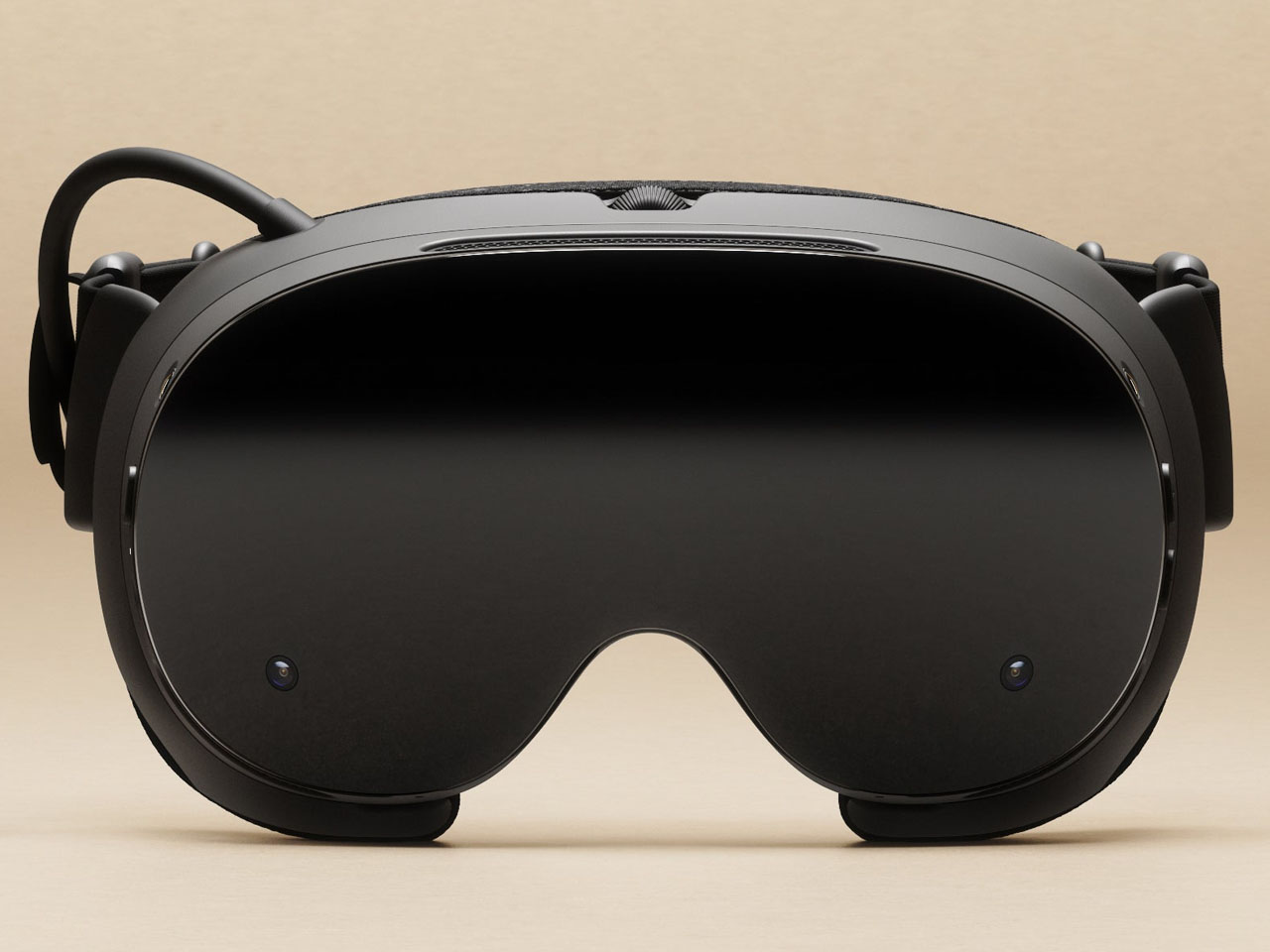
The release of a new HMD led to excitement among Valve fans, but left industry pundits scratching their heads. On paper the device simply doesn’t seem competitive. Its displays have a 2160×2160 resolution similar to the Quest 3 (which is a very good but already two-year-old headset). The Steam Frame’s processor and its field of view are also fine by current standards but might feel outdated among the next generation of devices.
Then there’s also a broader, bird’s-eye view. In terms of market conditions and the XR technology cycle, the Steam Frame looks out of place as a 2026 release. The intended audience seems unclear, profitability uncertain, and the lack of mixed reality and AI surprising.
This has led some analysts to assume that the Steam Frame is just another example of Valve’s many quirks. It’s a private company, operates without a board of directors, does whatever it wants, and operates on “Valve Time” which is a long-standing industry joke. Therefore, the new headset can be viewed as a mismatched product that Valve released simply because they can.
Collision course
Looking from a bird’s-eye view, the Steam Frame might seem out of place, but if we zoom in on the VR market, we can easily see that the Steam Frame not only makes a lot of sense but also that it’s positioned very much at odds with Meta. The strategy here is not to expand into untapped market segments, be it AR or AI, but to preserve the existing SteamVR cohort and, if possible, eat into Meta’s user base.
The Steam Frame can operate both as a PCVR headset and as a standalone device. If we are to believe early reviewers, both modes are seamless, thanks to the included 6Ghz wireless adapter for PC connections and the ‘foveated streaming’ feature, which uses eye tracking to optimize visual fidelity. On the standalone side, the Steam Frame advertises an extensive compatibility layer that allows it to run Windows applications, Android applications, and native VR software. On top of that, Valve promises that PCVR games and programs will be available to import into the headset and run in standalone mode (as long as they are not too demanding). That is something that hasn’t been attempted before, but if executed correctly, it would solve the chicken-and-egg problem many new entrants face of having a brand new standalone app store. In this scenario, the Steam store effectively becomes the Steam Frame’s standalone library.
In short, despite current-gen tech specs, Steam Frame’s software innovations solve a range of unaddressed pain points, which might appeal not just to SteamVR but also to Horizon OS users.
SteamVR
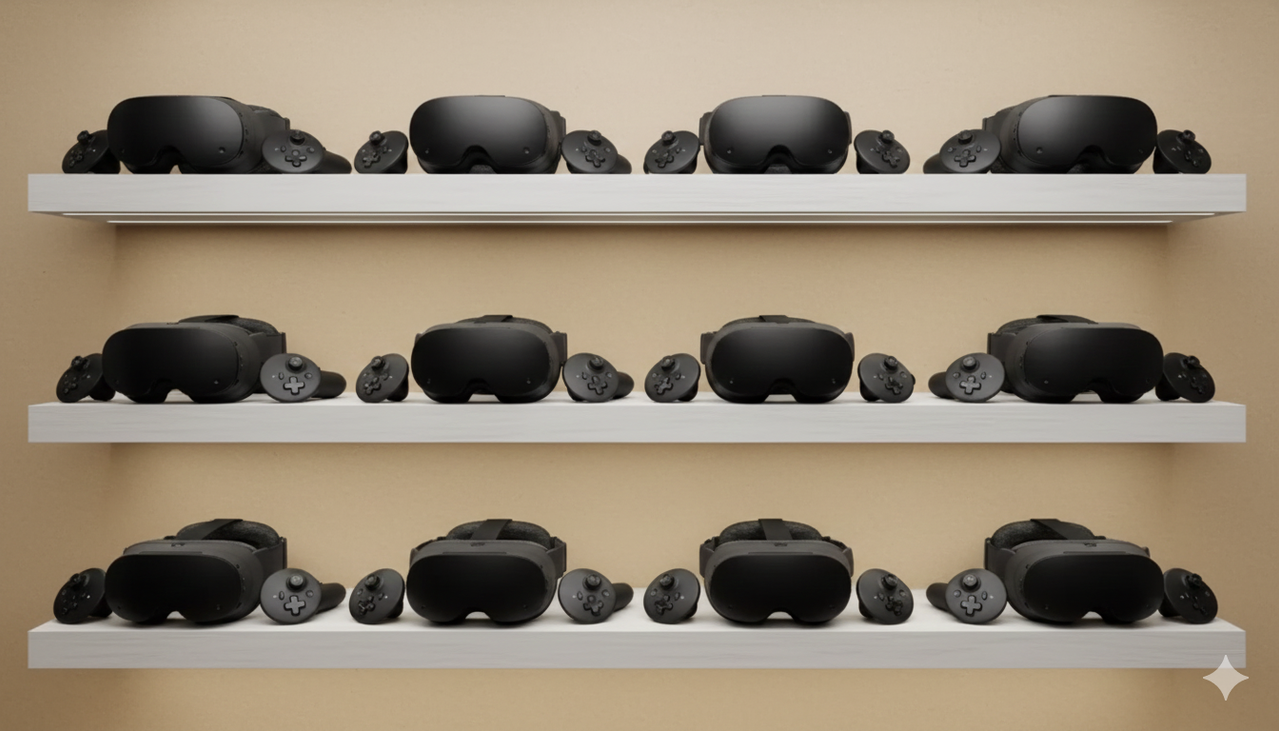
Looking at SteamVR data, Meta is currently dominating the PCVR hardware landscape. If we add all the Meta owned headsets together, their total SteamVR share is 65.17%. That is five times more than the next most popular non-Meta headset, Valve Index, which trails at 13.4%. This is a massive difference and even though Valve controls the Steam platform, Meta’s dominance keeps spilling over into the software ecosystem as well.
A healthy dose of realism is required here. After all, Pico, the Apple Vision Pro, and Samsung XR have all attempted to make a dent in Meta’s lead with rather mixed results. Most likely, Valve’s goal is not to flip the chart, that would be an impossible task, but rather to prevent the further migration of users toward the Meta ecosystem.
If Meta’s total share on SteamVR remains at or below the current 65% next year, that would represent a significant shift in what, until recently, seemed like a near-certain upward trajectory. I would even go so far as to say that the chances of Meta hitting 70% in 2026 have moved from “probable” to “unlikely”. Such scenarios were not part of the discussion until recently.

Horizon OS
As much as Meta wouldn’t mind achieving full dominance on Steam, their primary concern is not the PC market but rather their own backyard. More specifically, Horizon OS with its install base of around 30 million and 10 million monthly active users (these are estimates, as Meta doesn’t publish its own data).
Here, even a small dent is cause for concern. At September’s Meta Connect, there was a rumor circulating that Valve might try to steal the show and announce the Frame (then codenamed ‘Deckard’) around the same time. This was widely speculated to be the reason why XR influencers were denied an invitation, although Meta maintained the decision was made due to the main focus being on AR and AI.
Whatever the reason, Meta is clearly taking Valve seriously. Valve’s strategy appears to position the Steam Frame as a polar opposite to Meta’s Quest, capitalizing on various user grievances regarding Horizon OS. These range from privacy concerns and dissatisfaction with the aggressive promotion of Horizon Worlds to the heavy focus on the Metaverse, mixed reality, and AI. It’s no accident that the Steam Frame conspicuously avoids any of these three words. There is no metaverse or unified avatar system, no AI assistance, and mixed reality is practically impossible due to non-stereo black-and-white passthrough.
A few words on the lack of mixed reality. Stereo color passthrough requires a lot more resources than monochrome, so the reasons are most likely pragmatic. However, it underscores quite well where Valve sees its priorities. It sends a message to existing XR developers that mixed reality is not supported, and it’s a stance that, again, is completely at odds with Meta’s agenda. If developers are forced to choose sides, some might opt for the lowest common denominator, which in this case means abandoning MR or adding it as an afterthought.
It’s Adversarial
The upcoming Steam Frame does not exist in a bubble. It is a direct response to Meta and an attempt to chip away at their dominance on the immersive side of the XR spectrum. It forces Meta to adjust, which, given the company’s size, is a notable shift in itself.
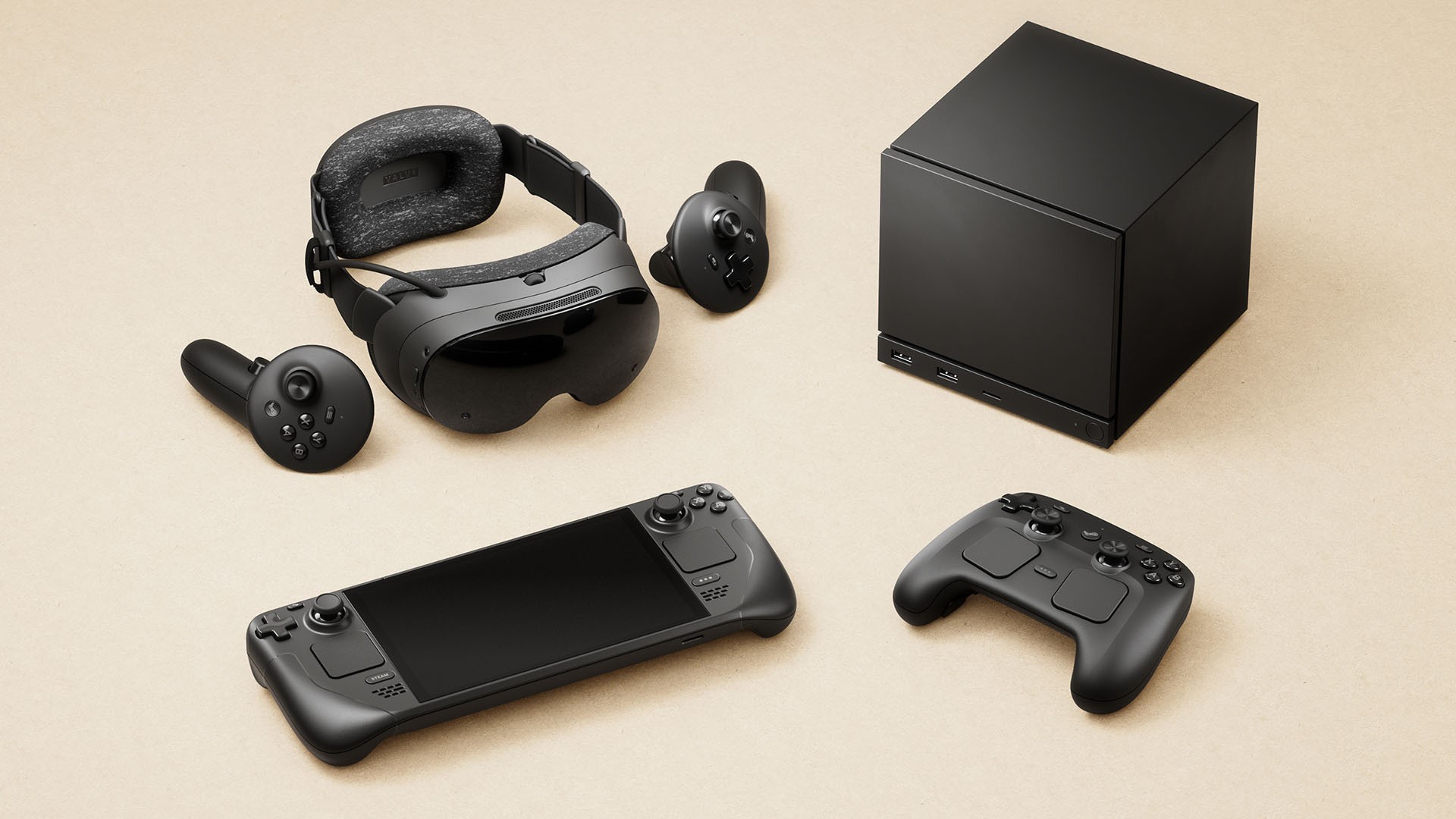
Another goal is for Valve to build its own SteamOS-based ecosystem. This includes the Steam Machine (a console-like PC box) and a new Steam Controller, both of which will be released alongside the Steam Frame. They also produce their own handheld console, the Steam Deck, and could expand into mobile devices and other electronics in the future.
The Steam Frame is expected to be released by March 31st, 2026.
 Mat Pawluczuk is an XR/VR writer and content creator. As with all AR Insider contributors, his opinions are his own.