
 by
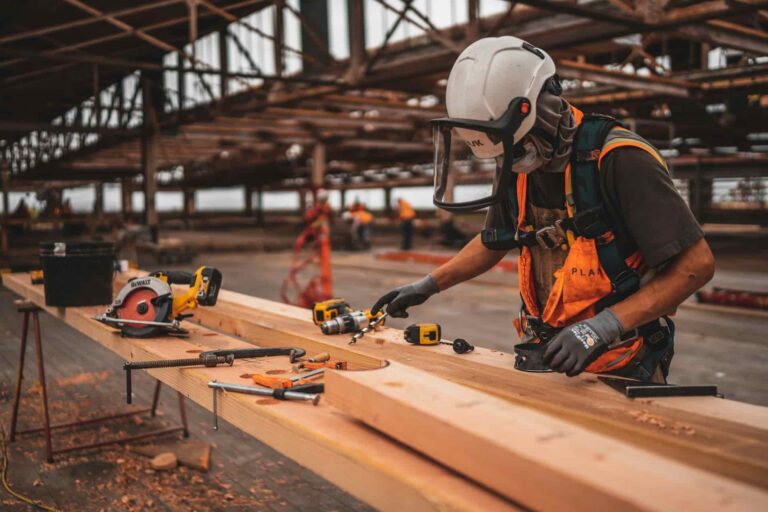
AI glasses continue to gain momentum in consumer markets. But does an equally meaningful business case await in enterprise productivity?
This isn’t a new concept, as industrial enterprises have used AR glasses for visual guidance for years, as tracked in the market sizing and case studies of our research arm, ARtillery Intelligence. But another segment could be primed for AI and AR glasses: small businesses.
For example, home services is a massive vertical, as we often discuss in our work with Localogy. It can benefit from the guided-workflow advantages that industrial enterprises have validated. This is particularly fitting given the classic operational challenges that face local services.
Specifically, these companies have deskless workforces, limited technical resources, and difficulty scaling expertise across distributed teams. AI has already addressed administrative pain points, such as lead processing and appointment scheduling. Now, can it assist the field work itself?
Backing up, today’s AI glasses generally fall into two categories. Non-display devices, such as Ray-Ban Meta Smartglasses, capture visual information and deliver responses through audio. Display-equipped glasses add another layer, allowing users to see instructions and other contextual information directly in their field of view. Both formats could apply to home services pros, from roofers to electricians.
Covering the Gap
One factor that makes this opportunity timely is the labor environment. Skilled trades such as plumbing, electrical work, and roofing can offer attractive career paths. But they’ve slipped over the years, receiving less cultural attention, interest, and enrollment than white-collar careers.
The result is a persistent shortage of qualified workers. That impact is accelerated as experienced tradespeople approach retirement – currently happening en masse with baby boomers. As they do this, they effectively take decades of accumulated knowledge out the door with them.
This is where wearable AI could make a difference. Industrial environments have already demonstrated how AR can extend the reach of experienced personnel. Rather than requiring senior employees to be physically present at every job site, companies can use remote assistance to guide less-experienced workers through unfamiliar tasks.
There are two levels to this opportunity. The first is remote expertise, where a technician shares a live view with experienced colleagues who provide guidance. The second involves AI-generated guidance, where visual recognition and contextual intelligence help workers navigate tasks.
It’s also worth noting that a version of this proposition has been in place for years, considering the work of Streem – an AR company bought by home services giant Frontdoor in 2019. Streem let home services pros remotely assist homeowners through their upheld smartphones. That helped consumers fix some jobs on their own, while service pros could assess bigger jobs before showing up – turning two site visits (a.k.a. truck rolls) into one.
But the latest proposition is to take that concept and bring it to smart glasses. And instead of consumers being guided through job diagnosis or fixing things themselves, home-services pros can show up to jobs with capacity-elevating smart glasses, as described above.
Quality of Life
Despite these demonstrated applications, smart-glasses-based guidance hasn’t achieved meaningful adoption in home services. That’s not particularly surprising, as emerging tech typically takes longer to penetrate the long tail of under-resourced and tech-averse small businesses,
But the underlying conditions are increasingly favorable. As devices improve and prices fall, the business case could become clearer. Competitive pressure may also accelerate adoption when service pros see rivals use wearable AI to improve job quality and technician productivity.
Meanwhile, another potential benefit is less about productivity and more about quality of life. Experienced technicians and business owners could increasingly supervise field operations remotely, using smart glasses. That scales their expertise without the strain of fieldwork.
These capabilities could also complement AI systems already entering home-services workflows. For example, information gathered during inbound lead processing could flow into a technician’s wearable interface, providing job details, customer context, and guidance before arrival.
In that way, AI glasses represent an extension of the broader AI opportunity in local services. Adoption will be gradual, as with all-things SMB, but the pieces are all there for an undeniable value proposition. And that’s where AI glasses’ true impact in the enterprise could reside.