
 by
by 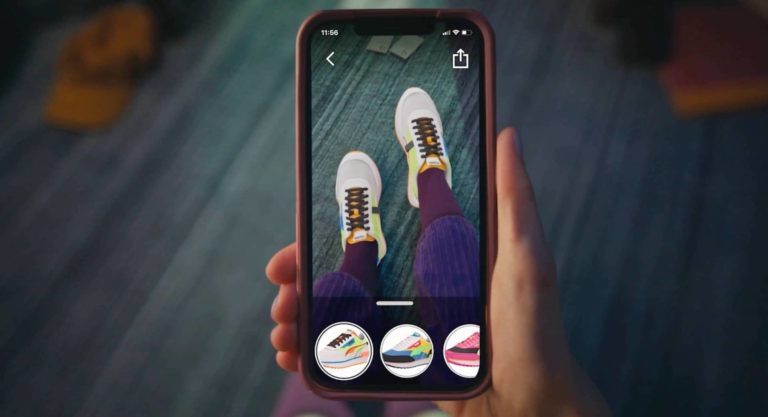
Though spatial computing and all its subsegments continue to hold great potential, they also face headwinds. Factors holding them back include challenged technological advancement and cultural adoption. However, bright spots include the rise of AI-powered smart glasses.
For example, as seen in Meta’s earnings, smart glasses have offset declines in other subsegments, such as consumer VR. Altogether, it’s a mixed story with both positive and negative drivers. The good news is that the positives will mostly outweigh the negatives in the near term.
To wrap some numbers around these claims, spatial revenue is projected to grow from $28.5 billion in 2025 to $61.4 billion in 2030. That’s steep growth, driven by a projected inflection next year as new smart glasses blitz the market from Apple, Meta, Google (AndroidXR), and others.
What else is driving revenues, and what are strategic implications? These questions are tackled in the latest spatial revenue forecast from our research arm, ARtillery Intelligence. This Behind the Numbers series excerpts insights, continuing here with brand spending on AR marketing.
Numbers Game
The previous installment of this series looked at B2B2C spending in XR – which tracks enterprises and brands that invest in XR to build consumer-facing immersive experiences. One subset of that spending category – the largest subset in fact – is immersive marketing and shopping tools.
Defined in our market sizing as marketing & commerce enablement (MCE), this includes XR experience creation software, creative agency fees, and optimization & enablement tools (e.g., e-commerce integrations). As we’ll explore below, it also includes paid amplification.
In total, enterprises spent an estimated $6.6 billion on MCE last year, projected to grow to $10.3 billion by 2030. This includes immersive marketing endeavors across mobile AR, headworn AR and VR. Among these, mobile AR dominates MCE spending today and in the near term.
Why is that? Though headworn XR offers greater experiential depth for product marketing, the installed base isn’t big enough to get marketers excited. Brand marketing is a numbers game. Campaigns that reach millions of users, not thousands, are only achieved today in mobile AR.
In Perspective
If we further break down MCE spending by function, one key segment is paid placement and amplification – in other words, ad spend. This revenue category is led by sponsored lenses from Snap and others, and is projected to grow from $1.34 billion last year to $3.11 billion in 2030.
As we examined in the previous installment, other MCE segments like immersive campaign creation software aren’t as substantial. That’s because the most prevalent creation engines, such as Snap’s Lens Studio, don’t generate revenue. They’re loss leaders for downstream ad spend.
But though ad spend is a leading MCE segment, it should be put into perspective. The $3.11 billion noted above for 2030’s projected XR ad spend is a small share of overall global ad spending. It represents .22 percent (2/10 of a percent) of the $1.14 trillion in global ad revenues.
That can be viewed as good or bad. The market has spoken in terms of relatively muted brand interest in XR marketing so far. But on the bright side, that means there’s ample headroom. That could happen as smart glasses – display and non-display – continue to gain momentum.
We’ll pause there and circle back in the next Behind the Numbers installment with more numbers & narratives. Meanwhile, check out the full report.