
 by
by 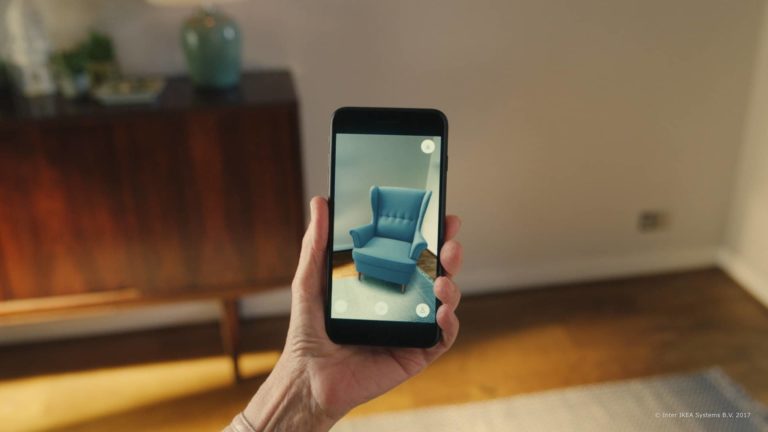

A growing body of research is confirming what many marketers and developers have already observed in practice — Gen Z is increasingly disengaging from traditional advertising. In an environment constantly saturated with static banners and algorithm-driven feeds, this demographic has become adept at mentally filtering out conventional advertising.
Gen Z Is Tuning Out, But AR Is Grabbing Attention
Ad overload and fatigue, which push audiences off digital platforms, are real problems for marketers. With Gen Z growing up in a digital environment, constant exposure to ads has led them to ignore traditional advertising.
Immersive marketing, such as sponsored AR lenses and virtual try-ons, continues to outperform traditional formats. This technology allows users to interact and explore AR experiences, which contrasts with the usual experience of scrolling past traditional ads.
AR turns advertising into an experience instead of an interruption or a one-way message. Instead of being told about a product, people can engage with it by trying it on or placing it in their environment.
AR’s Tangible Impact on Retail
AR is reshaping how consumers interact with products, especially in retail. A Snapchat survey found that 92% of Gen Z shoppers want to use AR technology to enhance shopping experiences. They are also more inclined to pay attention to ads using it.
Some retailers are already responding. AR-powered virtual try-ons let consumers engage with brands by showing how clothing or cosmetics look in real time. Furniture brands enable customers to visualize products in their own homes before purchasing. Even packaging can be interactive, with AR layers adding product information or brand storytelling.
These use cases can deliver measurable results. Studies have shown that AR can elicit enjoyment and other strong responses from consumers. The more engaged an audience is, the more likely they are to spend time with a brand and potentially convert. For brands targeting Gen Z, immersive marketing strategies will increasingly rely on AR as a core channel.
What This Means for Immersive Marketing’s Future
AR is evolving into a primary interface for brand interaction, which is significant for immersive marketing. The technology has the potential to be a central part of how brands build relationships with audiences. It enables:
- Personalized journeys: AR experiences can adapt in real time based on user behavior or context.
- Deeper brand recall: Interactive experiences create stronger cognitive associations than passive ads.
- Ongoing engagement: Users can return to AR experiences, extending their engagement beyond a single impression.
This shift also changes how teams can measure success. Aside from impressions and clicks, AR marketing will also require metrics such as interaction time and completion rates.
Challenges and Opportunities for AR Developers
Global AR and VR revenue reached $28.5 billion last year, according to ARtillery Intelligence – a growing segment of which is attributed to brand spending on immersive marketing. While the sector has some promising momentum, AR adoption still faces real challenges.
AR is still developmentally complex. Creating stable, high-quality experiences requires specialized skills in 3D modeling and real-time rendering, which might not be as accessible to most brands. User experience is also a major concern. If AR interactions feel slow or clunky, users can disengage quickly.
However, these challenges are matched by significant opportunities. As brands shift budgets toward immersive formats, the demand for AR expertise is also increasing. Developers who can deliver high-performance experiences can become key players in the coming era of digital marketing. Companies that invest in AR now will be better equipped to lead as the technology matures.
From Attention to Interaction
Gen Z’s response to AR shows that engagement depends on quality interaction. As AR continues to evolve, it is becoming a key player in how brands connect with customers. For developers and marketers, there is a significant opportunity in building immersive and useful experiences that hook target audiences.
 Eleanor Hecks is Editor-in-Chief of Designerly Magazine, where she specializes in design, development, and UX topics. Follow Designerly on X @Designerlymag.