
 by
by 

We are living in Robert Putnam’s worst nightmare. In Bowling Alone, Putnam warned how television eroded social and civic life—reducing quality time between spouses, lowering news consumption, and producing poorly informed voters. Those losses now seem quaint.
Our society is experiencing its worst mental health in recorded history. Gallup polls show decades of declining well-being across generations, especially among the young. Face-to-face interaction has plummeted. Generations Z and Alpha report record-low rates of sex and social connection. Many young men are trapped in cycles of excessive gaming, pornography, and ideological extremes. The pandemic further accelerated a decline already underway for over a decade.
Walk across any high school or college campus and you’ll see the core issue: clusters of young people physically together yet profoundly alone—necks bent, eyes fixed on screens. Smartphones and social media have trained them to turn away from our evolved need for human connection, replacing shared joy with algorithmic optimization, endless comparison, and anxiety.
This must stop. Done right, AR can be part of the solution.
We are not naïve about the realities of commerce or the allure of personalized content, yet AR represents a genuine cultural pivot — a judo maneuver that can redirect the momentum of technological change away from alienation and division, and toward social cohesion, human agency, and ultimately, collective well-being. This is the founding precept of AR2, an IP company built on the belief that technology should connect people, not merely maximize engagement or spend. Profit and social connection need not be opposed.
This vision centers on shared experiences and genuine human connection, made possible by AR glasses. In a time of increasing digital isolation, this technology should not pull us deeper into screens, but help us engage more fully with the people and places right in front of us. These devices are coming—Snap’s new Specs are an early spark—and when collective attention lifts from the phones in our laps back to eye level, we will deliver technology that brings surprise, delight, and presence to social interactions.
We approach this through the lens of shared experiences, with a strong emphasis on social connectivity. Central to the vision are dynamic, spatially anchored tools that enhance collaboration, personalization, and meaningful human connections. Our core technologies focus on:
Living Entities as Dynamic Anchors
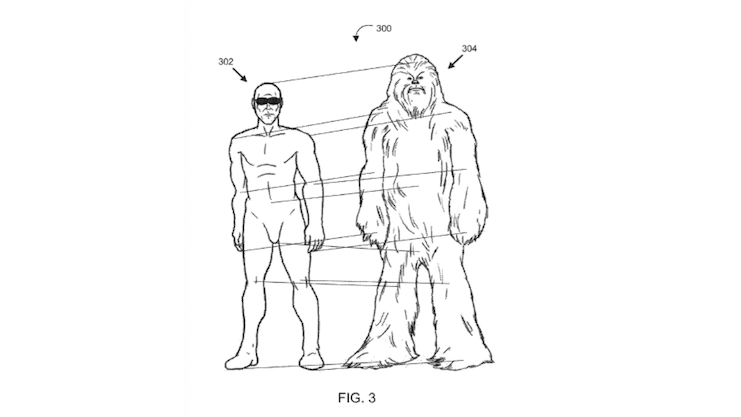
Humans and pets act as natural, moving anchors for AR content and enables users to express themselves through stock or customizable “skins.” Imagine a family adventure or group activity where a Wookiee-inspired guardian figure can dynamically overlay one participant, intelligently responding to shared movements and actions. These tools will power creative performances, targeted advertising, and new revenue streams—while preserving user choice—turning personal expression into shared, engaging experiences in the physical world.
Virtual Identification and Real-Time Connection
Virtual Identification provides real-time, consent-based overlays of profiles, links, and calendar data directly into the real world. For established social media platforms, this allows their users to pivot from the empty calories of online spaces into meaningful interactions in the real world.
AR Entertainment and Persistent Messaging
Leveraging similar spatial anchoring technology, AR Entertainment and Persistent Messaging offer distinct yet complementary experiences.
AR Entertainment enables friends to experience concerts, games, or live events in real time, together, anywhere. Multiple users can view, hear, and interact with the same anchored content simultaneously.
Persistent Messaging, in contrast to AR Entertainment, allows users to record embodied messages or performances in custom or fantasy forms that remain anchored in the physical world for later access. These persistent experiences—such as sports highlights with stats on a smart signpost, TED-style talks, live music sessions, adventures among friends, or training content—can be discovered and enjoyed at specific locations. Friends and communities can reply to, collaborate on, or build upon them, creating evolving digital layers over physical spaces.
These applications enable companies and users to create systems and markets for real humans in real spaces. Altogether, we believe in an AR ecosystem that:
- Brings people together in person
- Empowers developers and fairly rewards creators
- Protects content creators and IP holders
- Maximizes openness, but with strong parental tools
In other words, our vision is to align profit motives with what’s good for real humans. Prioritizing connectivity and openness builds ecosystems where shared AR feels natural, inevitable, and transformative—driving social, creative, and commercial value. There is a viable path there, but it won’t happen without thoughtfulness and planning. There’s nothing natural or inevitable about the way the Internet or social media work. These are design choices, with real stakes, and the social architecture we build today will have an impact on generations to come. We can’t just let it unfold on autopilot, prioritizing share price over the well-being of children. We hope you’ll join us in building not just for shareholder values, but also for human ones.