
 by
by 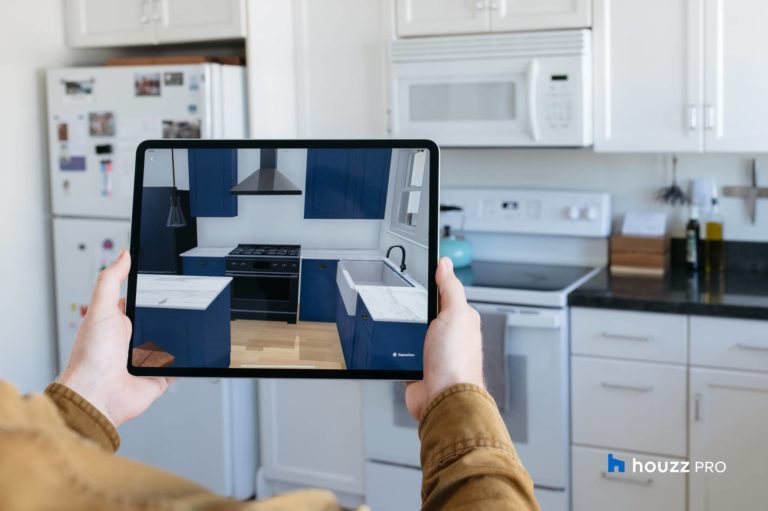

In recent times, customer expectations have shifted considerably as technology evolves. Consumers increasingly want a buyer journey that feels personal and is worth their time. So brands and organizations across industries are building for that reality.
Immersive tech, such as AI, AR, VR, and interactive digital displays, is becoming more prominent in shaping personalized customer experiences. It creates a category of immersion that was less feasible a decade ago.
AI and AR Working Together
AI has made significant advancements in personalization. It processes key data points, such as browsing behavior and purchase history, to estimate what a customer wants, then strategically surfaces that information at the right moment.
This level of AI-driven predictive analysis gives brands foresight into how products will perform, enabling them to make strategic decisions about market shifts. Pairing that high-level intelligence with augmented reality is where the immersive customer experience can truly be elevated.
A customer in a store can hold up their phone and see product details through a specialized app or personalized recommendations overlaid directly on what they are looking at through the camera. This technology draws on real data about that shopper, creating a more intimate experience than a static shelf tag can.
Here are a few ways these technologies are converging to transform customer experiences.
1. Digital Displays and Wayfinding
Brands are increasingly transforming physical spaces by integrating advanced digital infrastructure, aiming for a seamless and intuitive customer experience. This includes the widespread adoption of smart kiosks, interactive walls, and sophisticated digital wayfinding systems, particularly within retail and hospitality sectors, designed to enhance engagement and streamline navigation.
This widespread integration is built upon significant advancements in display technology throughout the 21st century. The pivotal shift from analog to digital television standards, largely completed around 2009 in the U.S., vastly improved visual definition and paved the way for the high-resolution, interactive digital screens now ubiquitous in urban areas.
Among the most impactful applications of this technology are advanced digital wayfinding systems. In a large venue, for example, a well-designed system can do more than just point directions — it dynamically accounts for real-time crowd patterns, efficiently routing people to their destinations while surfacing personalized information or promotions they might find useful along their path, creating a more informed journey.
2. Virtual Product Visualization
Immersive technology has also seen massive strides in cutting-edge product visualization systems. For example, furniture retailers can use 3D product data and AR to generate interactive digital visualizations of how a product would look in a customer’s home. This approach eliminates any need for time-consuming and costly photoshoots while providing consumers with a multidimensional vision of how the furniture piece functions in their space.
The advantage is lower purchase hesitation and typically lower return rates. VR extends this further for higher-consideration decisions. Automotive brands have built visual showrooms where people can configure a vehicle and explore the interior in real detail without visiting a dealership.
3. Immersive Brand Environments
Some brands are building fully immersive environments around their brand. Pop-up activations and flagship stores increasingly feature VR installations and projection mapping designed to create powerful brand immersion that makes buyers feel like they are part of a story. When customers spend real time in an experience like that, they become far more likely to remember it. This increases the likelihood of talking about it and making a return visit.
Brands in beauty and luxury retail are beginning to embrace this shift, with younger consumers beginning to expect these innovative and personalized experiences. Even the earned media value alone can justify the investment for larger activations. Stores that do not adapt to such market developments risk conveying an outdated brand.
Establish Longevity With Immersive Technology
With tools and frameworks constantly improving, brands need to assess whether they are positioned for this major transition. Today, leading brands have moved past testing features in isolation and are viewing these immersive technologies as a powerful connected strategy.

April Miller is a senior writer at ReHack Magazine and editorial contributor at AR Insider. She specializes in VR/AR, IoT, and business technology. See her work here and follow her @rehackmagazine.